

We have an honest review policy, but this page contains affiliate links. If you buy through these, we may earn a commission. This helps fund our research at no cost to you.
In this Volusion vs Shopify comparison review, I’m going to put two well-known online store builders head to head.
Read on for a discussion on their pricing, ease-of-use, pros and cons and key features — by the end of this post, you’ll have a much clearer idea about which of these ecommerce platforms is best for your business.
Let’s start with an overview of Shopify and Volusion. What are they exactly?
About Volusion and Shopify
Volusion and Shopify are website building tools that allow you to create an online store.
They work in a similar way, in that they are ‘hosted’ solutions — they run in a web browser and you don’t need to buy any hosting or install any software to use them.
This means that you can build and manage your store from anywhere, and on any suitable device — so long as you have an Internet connection.
Both are ‘software as a service‘ (SaaS) products — you pay a monthly fee to use them, and this gives you the tools to create and maintain your store, namely:
- templates
- a content management system (CMS)
- hosting
- credit card processing
- support.
The basic idea behind both tools is that even if you don’t have coding or design skills, you can create an online store easily using them.
Let’s find out how the two products live up to this goal — and how they compare. First up: a look at pricing.
Pricing
Shopify pricing
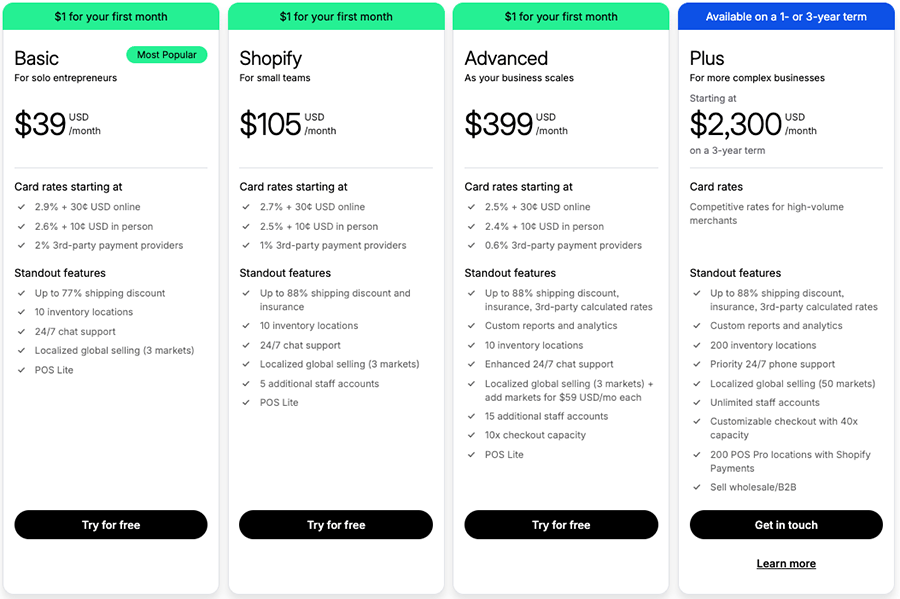
Shopify offers 5 pricing plans:
Starter: $5 per month
Basic Shopify: $39 per month
Shopify: $105 per month
Advanced Shopify: $399 per month
Shopify Plus: pricing varies depending on requirements, but a Shopify Plus plan starts at $2,300 per month.
.
A free trial of Shopify is also available, which you can access via this link.
Volusion pricing
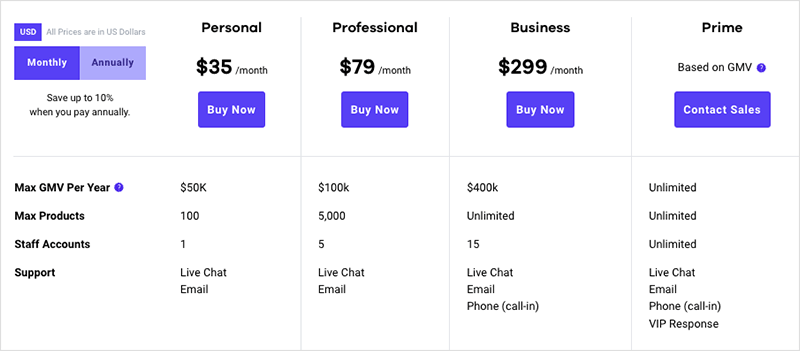
With Volusion, there are 4 plans to choose from:
- Volusion Personal: $35 per month
- Volusion Professional: $79 per month
- Volusion Business: $299 per month
- Volusion Prime: custom pricing, based on requirements and turnover
Like Shopify, you can try Volusion free for 14 days.
Entry level plans
Shopify can get you selling online cheaper than Volusion via its $5 ‘Starter’ plan — this is $30 cheaper than the $35 Volusion ‘Personal’ plan.
However, this Shopify plan doesn’t allow you to actually set up a fully functional online store.
Rather, it allows you to:
- sell on Facebook and other social media channels and messaging apps
- sell on existing websites using a Shopify ‘Buy Button’ (this works in a similar way to a Paypal button, but with more sophisticated options regarding inventory syncing available)
- take payment in person at a point of sale (i.e., in a physical location like market stalls, retail outlets, etc.)
- use a very basic storefront for displaying your products.
Volusion’s entry-level plan — ‘Personal’ — by contrast allows you to create a fully-fledged online store for $35 per month.
However, there are key limits to be aware of with this plan, regarding:
the revenue you can generate — it’s capped at $50k per year
- the number of products you can sell — this is capped at 100 items.
By contrast, no sales or product limits apply on any of the Shopify plans (the Shopify Starter plan does however restrict support to email or live chat only).
Transaction fees
In addition to charging you a monthly fee to use their software, some online store solutions take a cut of each of your transactions.
Volusion’s transaction fees are lower than Shopify’s. The Volusion ‘Personal’ plan applies fees of 1.25% to every transaction, with the ‘Professional’ and ‘Business’ plans charging 0.65% and 0.35% respectively.
If you’re based in the US, you can avoid transaction fees by using Volusion’s own payment processor: ‘Volusion Payments.’ But Non-US users have no option to avoid these fees.
Shopify’s transaction fees are 5% on the ‘Starter’ plan, 2% on the ‘Basic’, 1% on the ‘Shopify’ plan and 0.6% on the ‘Advanced’ plan.
However, you can also avoid transaction fees on all Shopify’s plans if you are happy to use its own payment processing option, Shopify Payments.
Doing so is a good idea as not only does it let you avoid fees, but also provides you with access to multicurrency selling (more on this later).
Significantly, Shopify Payments is available to users in 23 countries , namely:
- Australia
- Austria
- Belgium
- Canada
- Denmark
- Czechia
- Finland
- France
- Germany
- Hong Kong SAR
- Ireland
- Italy
- Japan
- Netherlands
- New Zealand
- Portugal
- Romania
- Singapore
- Spain
- Sweden
- Switzerland
- United Kingdom
- United States of America (not available to US territories except Puerto Rico).
Ultimately, Shopify fees are higher than Volusion’s, but users in far more countries have the option to avoid them by using the in-house payment processing option.
Core features
Shopify and Volusion offer a similar set of key features out of the box; both allow you to
- design your store using a range of pre-existing templates
- create catalogues of products
- manage your store using a CMS (content management system)
- optimise your products for search
- accept online payments via a range of payment gateways.
Let’s zoom in on a few key features, and see how they compare against each other.
Templates
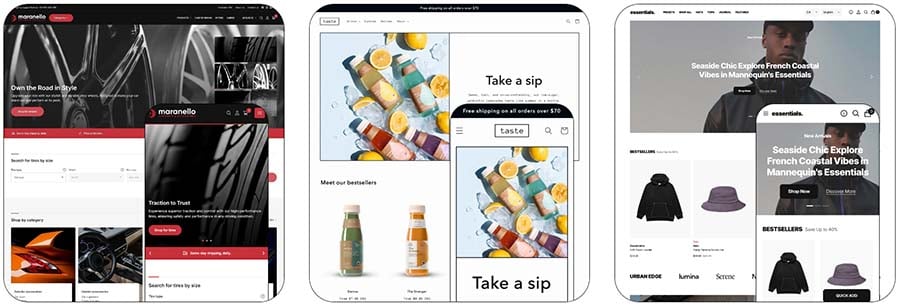
Both Shopify and Volusion offer a wide range of templates, all professional in look and feel. They are responsive too, meaning that they will automatically resize themselves to suit the device your store is being viewed on (desktop, mobile, tablet etc.)
In terms of quality, the Volusion and Shopify themes are all of a high standard and I wouldn’t have any particular reservations about using any of the themes I’ve encountered from both companies as a starting point when designing an online store.
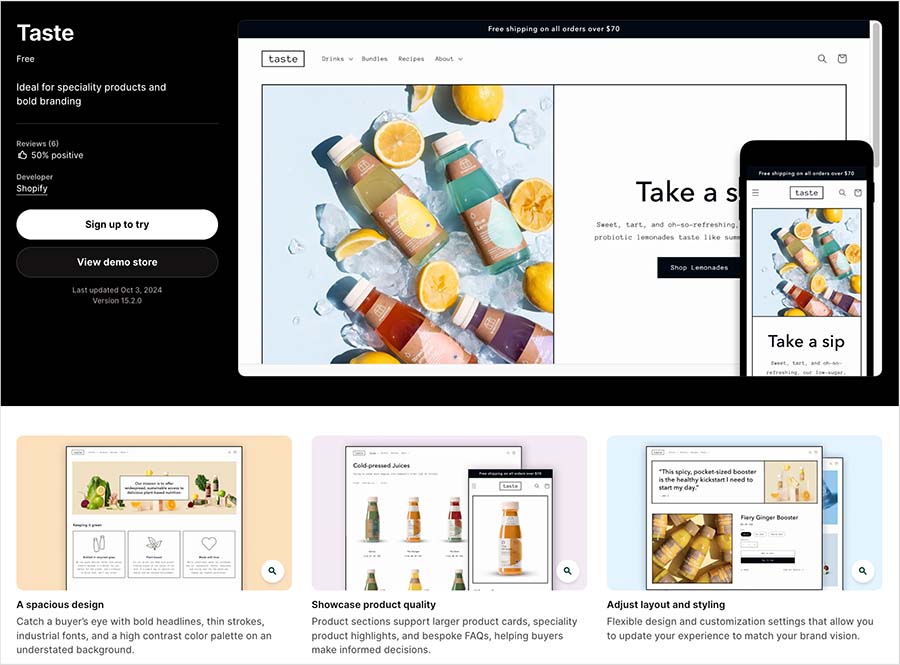
What about quantity though? Well, when it comes to free templates — Volusion provides you with 24 and Shopify gives you a choice of 13.
As for paid-for themes, Shopify gives you more to choose from: its theme store contains 224 paid-for themes (all of which support Shopify’s drag-and-drop editor), to Volusion’s 34.
Additionally, most of the paid Shopify themes come with multiple style variants — allowing you to apply different color pallettes and font styles to your chosen theme.
Finding the right template
The Shopify theme store is set up in a way which makes it easier to find the right template for your online store: you can browse using a wide range of filters, including price, industry, catalog size, features and more. By contrast, Volusion doesn’t provide any filters at all (other than tabs which let you chose between free and paid-for).
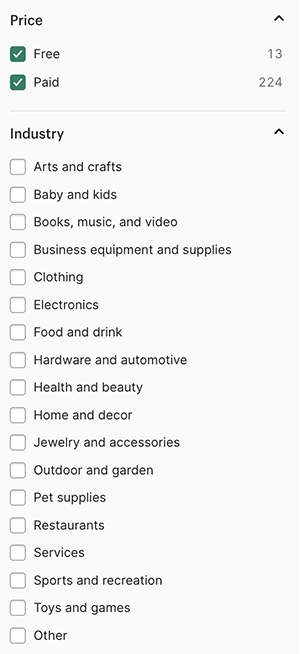
Overall, Shopify gives you more choice when it comes to templates — both in terms of the number available and the way you can pick one.
You can browse our picks of the best Shopify themes here, or visit Volusion’s theme store here.
Product flexibility and selling options in Shopify and Volusion
Something that’s really important to consider in the Volusion vs Shopify debate is how flexible they are when it comes to selling products.
With Shopify, you can sell physical products, digital products, subscriptions and services. Some of these require apps, but adding them is simple and seamless.
For example, Shopify’s free ‘Digital Downloads’ app allows you to sell files like music, eBooks, videos and software — with automatic delivery and customizable download limits to help you manage file distribution.
Subscriptions are also easy to set up in Shopify by using apps such as ‘Bold Subscriptions,’ which fully automate recurring billing.
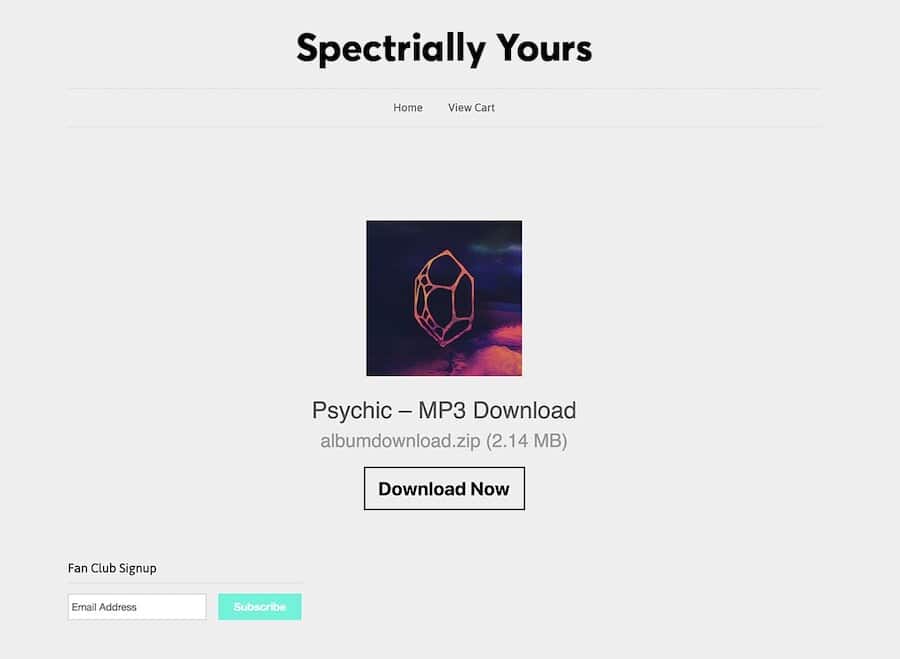
With Volusion, you get basic support for physical and digital products, but with some notable limitations.
While you can sell downloadable files with Volusion, any file over 10MB must be uploaded manually via FTP (‘File Transfer Protocol’) — a process that can be complex and time-consuming. By contrast, Shopify lets you upload files up to 5GB directly through its ‘browser-based ‘Digital Downloads’ app, making the process far easier and more user-friendly.
Subscriptions are possible with Volusion using its ‘recurring pricing’ tool, but the setup is less intuitive than Shopify’s app-based approach. You’ll need to manually configure subscription products, and there are fewer options for managing recurring customer payments.
The other thing to watch out for with products in a Volusion vs Shopify debate is quantity: whereas with Shopify, you can sell an unlimited number of them on any plan, Volusion caps your product inventory size at 100 items on its ‘Personal’ plan and 5,000 on its ‘Professional’ plan (the other plans don’t apply any limits, however).
So as with templates, when it comes to products, it’s another win for Shopify.
But how can people pay for these products?
Download our free Shopify Startup Kit
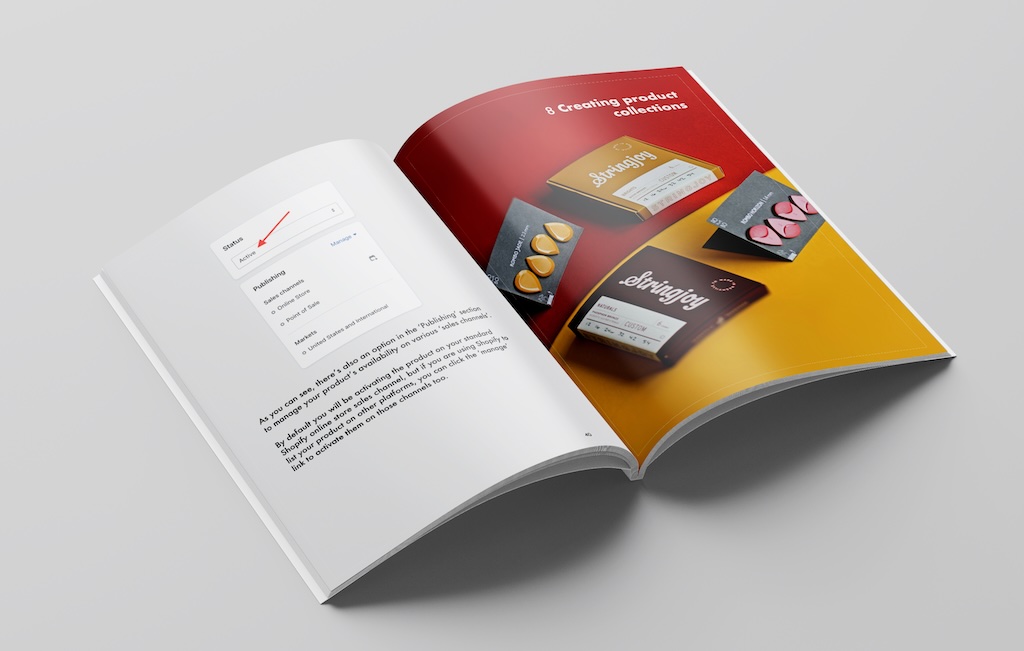

Our free Shopify Startup Kit is a must for anyone thinking of building an online store with Shopify. Containing a comprehensive e-book on starting a Shopify store, video tutorials, PDF cheatsheets and much more, it’s packed full of practical advice on how to get a Shopify business off the ground. It’s available for free to Style Factory readers — but for a limited time only.
Payment gateways
Both Shopify and Volusion integrate with various ‘payment gateways’ — third party tools that process credit cards on your behalf.
However, you can use considerably more payment gateways with Shopify — over 100 while Volusion supports just four.
Both tools come with an ‘out of the box’ payments solution too: ‘Shopify Payments’ and ‘Volusion Payments’. (Despite the branding, both these built-in payment gateways are technically powered by Stripe).
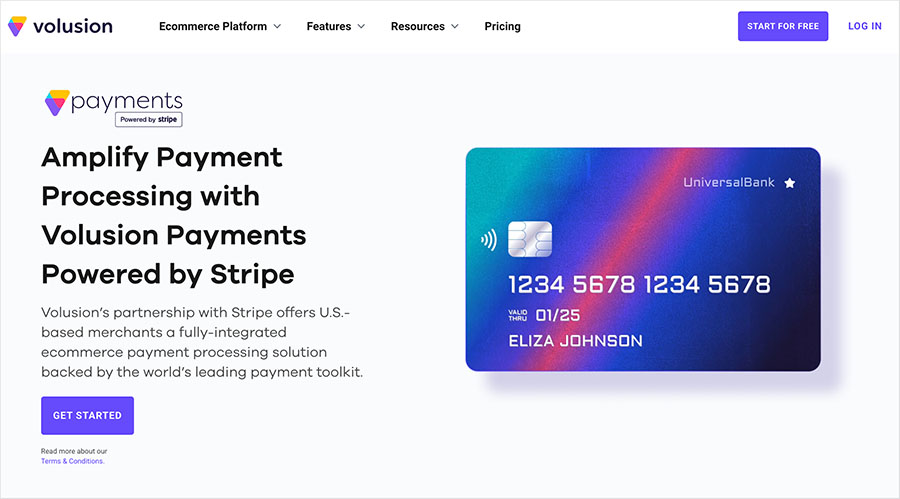
Shopify Payments, as mentioned above, can be used by merchants based in 23 countries. However, Volusion Payments is only available to merchants in one territory: the USA.
All this means that when it comes to the payment gateway department, the clear winner is Shopify.
Apps
Apps allow you to bolt on a lot of additional functionality to an online store, and integrate third party web applications with it.
Both Volusion and Shopify have app stores, but Shopify users can benefit from a much wider range of apps than Volusion ones: there are around 13,000 Shopify apps available that you can integrate with your store, but only 84 or so apps for Volusion.
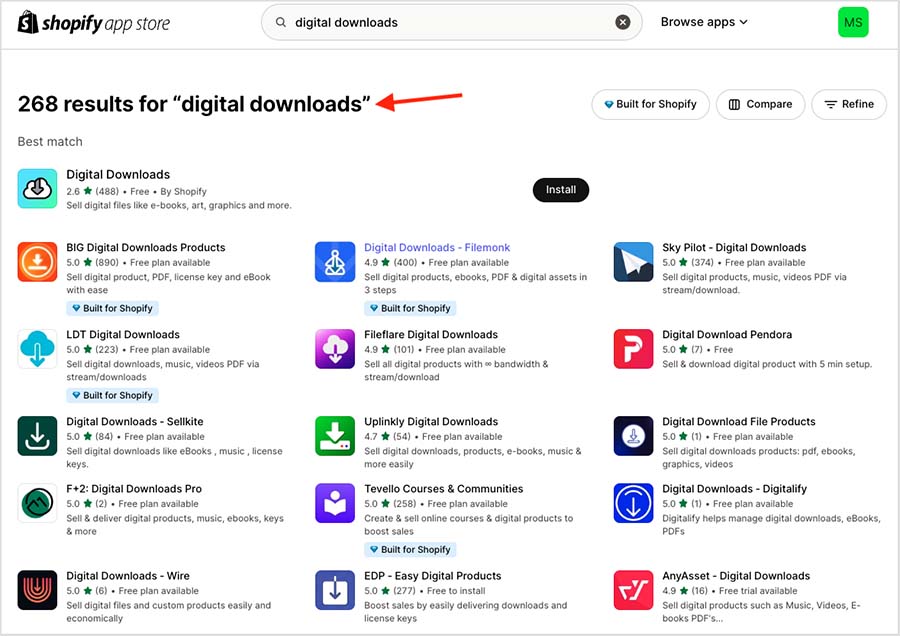
Although Volusion’s apps do provide integrations with quite a few key business tools (for example Mailchimp, Quickbooks and Xero), the reality is that Shopify users will benefit from a significantly larger number of options when it comes to apps.
Next, we’ll take a look at dropshipping.
Dropshipping in Volusion vs Shopify
Many potential users of Volusion and Shopify will want to know how well it handles dropshipping.
Dropshipping is a method of selling products where you don’t keep the actual products in stock. Instead, you take an order, pass it onto a supplier, and they deliver the goods to your customer.
A lot of people are attracted to this way of selling products because you don’t need much capital to start up your business; the down side is that competition in the dropshipping marketplace is fierce, and sourcing products that are made ethically by reliable suppliers can be a challenge.
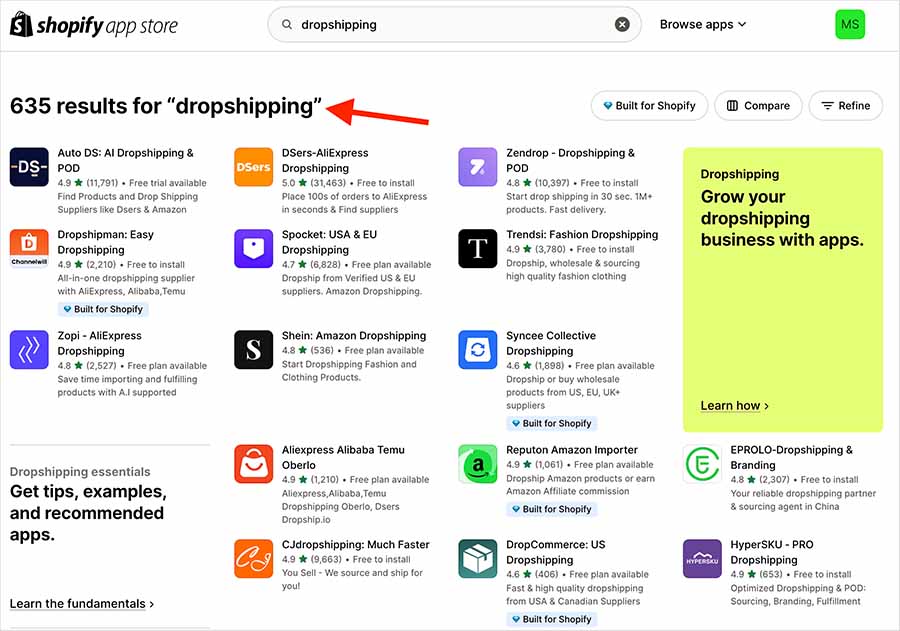
If dropshipping is what you want to do then — as with much else discussed in this review — you’ll find that the options are considerably more extensive in Shopify.
There are loads of apps available for Shopify to facilitate highly automated dropshipping (635 at time of writing), but with Volusion, there are just two available: Doba and Kole Imports.
Tip: you can learn more about dropshipping in our in-depth ‘What is dropshipping?’ post, or watch our guide to dropshipping on Shopify in the video below.
Point of Sale options
Unlike Volusion, Shopify gives you built-in Point of Sale (POS) features. In other words, you can use the platform to accept payments at physical locations like retail outlets, pop-up stores and market stalls — all while keeping your offline and online inventory data in sync.
You can buy POS hardware directly from Shopify to facilitate point of sale transactions — options here include a wireless POS device, a countertop terminal, card readers, barcode scanners, receipt printers, tills and a label printers.
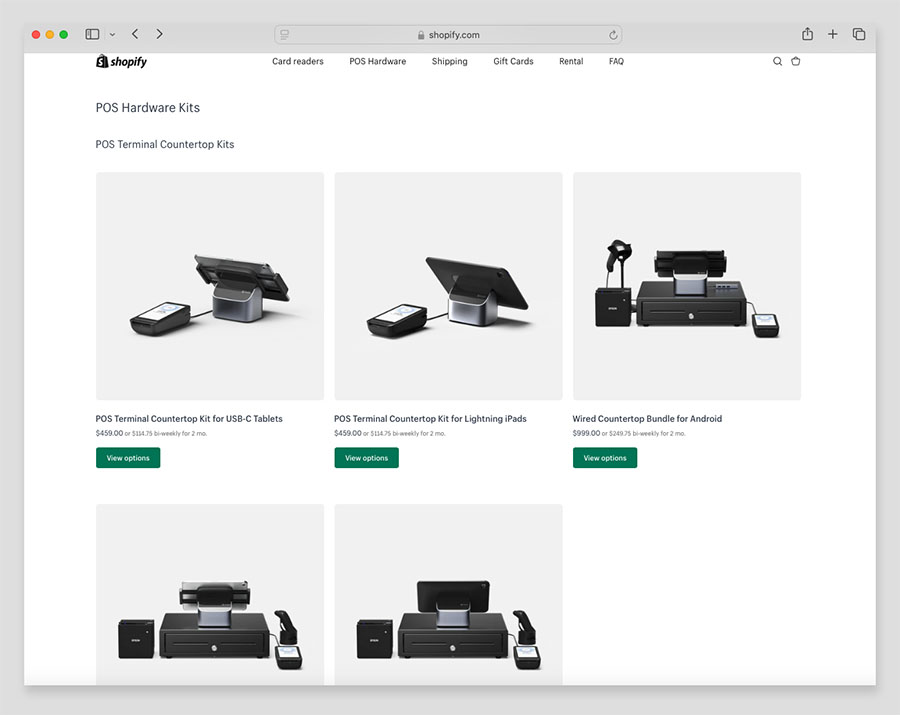
All these allow your Shopify store to become more than just a ‘virtual’ entity; it can double up as a tool for running a business in the ‘real’ world too. All your customer and order data is synced with Shopify, so everything to do with sales and inventory is kept neat and tidy.
You can use POS on any Shopify plan (using an app and a card reader provided by Shopify), but it’s worth noting that if you want to access the full range of POS functionality you will need to purchase a ‘POS Pro’ add-on, which costs a not insignificant $89 per month.
Doing so lets you:
- work with an unlimited number of retail staff
- facilitate ‘buy online, collect in store’ services
- facilitate product exchanges
- provide custom printed receipts
- create purchase orders
- use an unlimited number of registers
- define staff roles and permissions
- attribute sales to particular staff members (i.e., for commission / performance-analysis purposes).
POS functionality is also available in Volusion. However, it’s nowhere near as ‘baked in’ — there’s no POS hardware store, it’s quite fiddly to set up, and in terms of peripherals, you’re basically limited to using a scanner when selling (or entering a UPC — Universal Product Code — manually into the Volusion interface).
So for now, in the POS department, the clear winner is Shopify.
Multi-currency selling
You tend to get more sales from an online store if you sell in the currency used by your site visitors.
So, if you’re selling in multiple countries, it’s good to be able to let your potential customers choose their own currency (or, better still, to present your products in your site visitors’ currency automatically).
As things stand, Volusion lets you display your product prices in multiple currencies, but it doesn’t facilitate checkout in them (i.e., when a user goes to pay for their products, they’ll see the store’s default currency again, which might differ from their local one). Additionally, you need to add HTML tags to your store’s theme to enable multi-currency selling, which won’t suit users without any HTML coding experience.
The built-in Shopify multi-currency functionality is much more sophisticated. You can use the ‘Shopify Markets’ feature to define selling areas (based on country or groups of countries) and set currencies for those areas. It’s really easy to use and works really well.
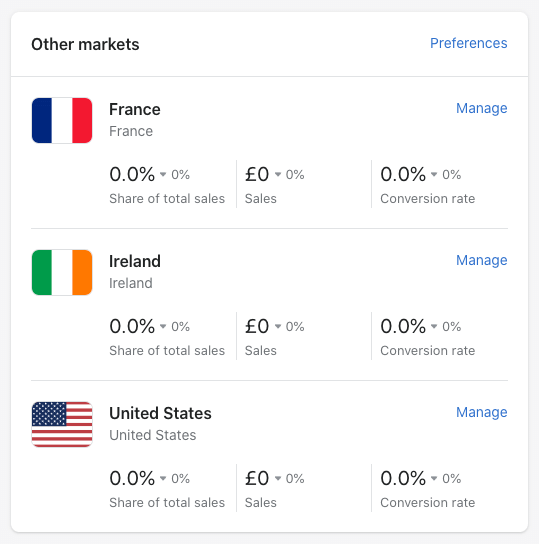
If there was one improvement I’d like to see made to the ‘Shopify Markets’ feature it would be the provision a more generous allowance when it comes to the number of localized markets you can create; as things stand, users on the ‘Basic,’ ‘Standard’ and ‘Advanced’ Shopify plans can only create 3 markets in total.
(‘Advanced’ plan users can add extra markets by paying a fairly hefty additional fee of $59 per added market).
But the bottom line is: if you need to sell in multiple currencies, then the better option is, again, Shopify.
Adding a blog to a Volusion or Shopify store
Shopify offers an extremely important feature out of the box that is missing from Volusion: a comprehensive blogging tool.
You might not immediately think that a blog should be a key part of an online store, but in this day and age of content marketing and inbound marketing, the posting of quality blog content is absolutely essential to increasing traffic to a site (and by extension, to generating product sales).
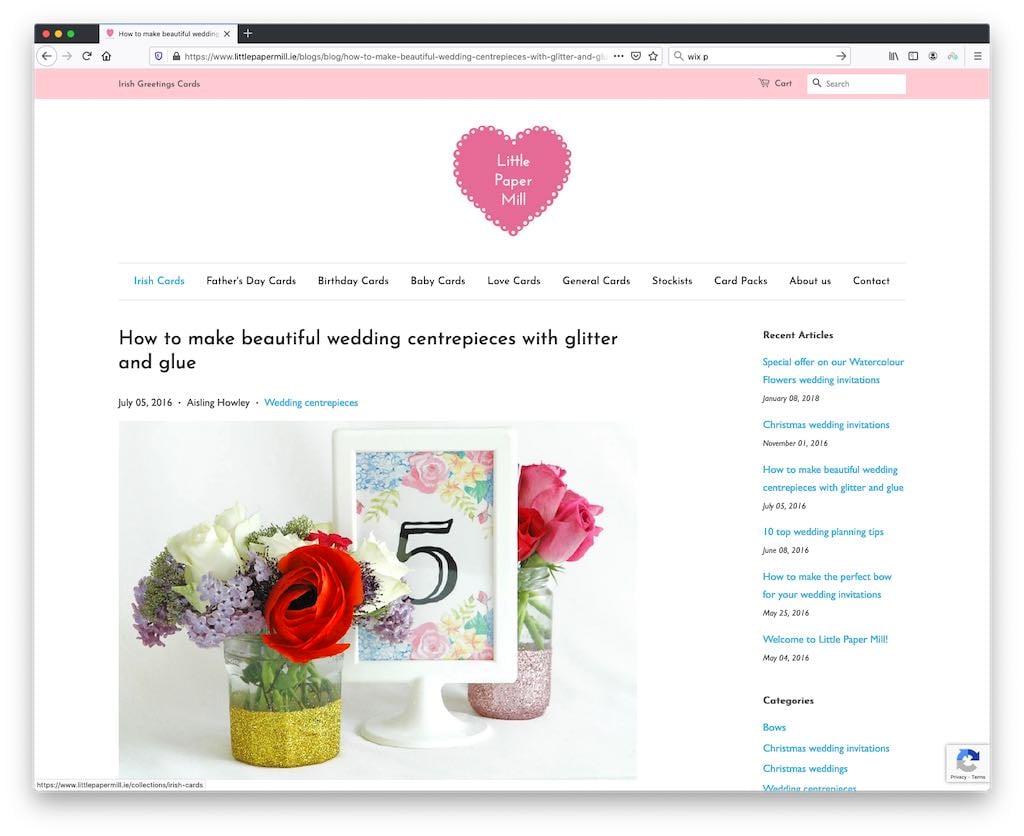
That said, the Shopify blog is fairly basic — if you want to do advanced post categorisation and tagging, autosave features or an archive of older versions of posts, you might be better off with a third-party blogging platform such as WordPress.
But the majority of merchants will be able to make do perfectly well with a Shopify blog, so for me this gives Shopify yet another edge over Volusion.
Tip: how to save on Shopify
If you’re interested in using Shopify, you can save considerably on your subscription if you purchase your plan in a particular way. Here’s how:
- Start by accessing the Shopify trial here.
- After your trial is over, you’ll be given the option to subscribe to Shopify for $1 for your first month.
- When this period is over, purchase an annual plan. You’ll then get a 25% discount on your subscription.
Ease-of-use
Both Volusion and Shopify take a fairly similar approach to their interfaces — you see a menu of options on on the left which allows you to access features or content on the right. They are both pretty straightforward to use.
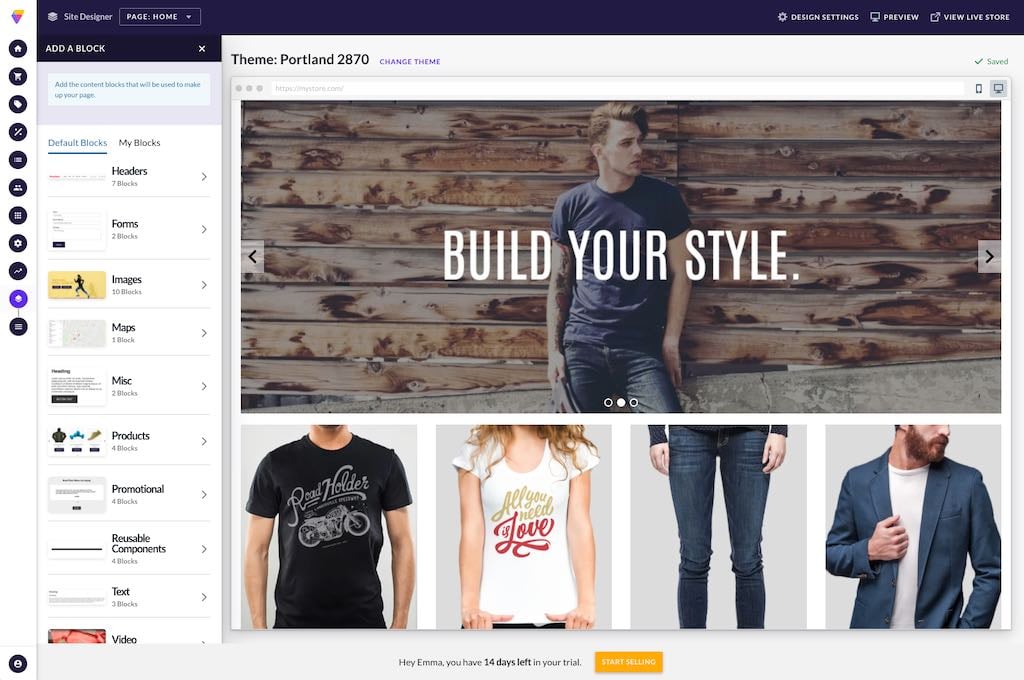
One edge in the interface department that Volusion arguably has over Shopify is its drag-and-drop style editor; this lets you add and move blocks around pages (for most page types, Shopify still makes use of a WYSIWYG editor)
In my view however, overall Shopify has got a more intuitive interface than Volusion — it’s cleaner, more functional and more robust — and when testing these two products against each other, I’ve always found that putting a simple store together tends to be much quicker in Shopify than in Volusion.
The below tutorial video gives a walkthrough of key aspects of the Shopify interface.
Product options and variants
One area where Volusion has a bit of an edge over Shopify involves product options and variants.
Whereas in Volusion, you can create as many of these as you need, Shopify rather oddly places a restriction of 3 on product options (i.e., size, color, style etc.) and 100 on product variants (combinations of these).
Now, this limit can be lifted if you are happy to use an app from Shopify’s app store (there are quite a few available that let you use as many product options and variants as you like).
But this will usually involve an extra cost, which isn’t ideal.
Note: Shopify plans to let users work with a 2,000 variant limit in 2025.
Email marketing tools
Online store builders are increasingly striving to become ‘all-in-one’ platforms that let you not only sell products online but market them too.
To this end, Shopify recently introduced email marketing features (via its ‘Shopify Email’ feature). This allows you to create e-newsletters within the Shopify interface, lets you segment your email list and even send automated campaigns.
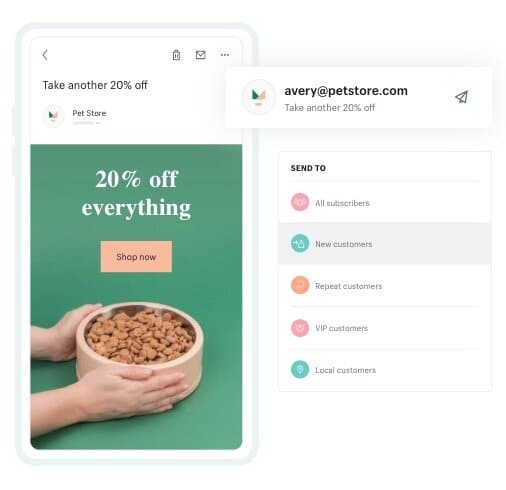
It’s cheap too — you can send up to 10,000 emails per month for free using Shopify Email; a fee of just $0.001 applies to every email you send over this limit, meaning that sending an additional 1,000 emails would cost you just $1.
(If you’re a high-volume user, sending over 750,000 emails per month, this fee reduces to $0.55 per additional 1,000 emails).
There isn’t really an equivalent feature for Volusion — you’ll need to resort to a separate email marketing app like Mailchimp or GetResponse instead (which whilst giving you additional marketing features, will also increase your costs).
So as things stand, when it comes to email marketing, it’s a clear win for Shopify.
Now, let’s take a look at search engine optimization.
SEO tools in Volusion vs Shopify
Shopify allow you to extensively tweak key SEO settings, including page title, URL, alt text, meta descriptions, 301 redirects etc. — all the stuff you’d expect to be able to change without any difficulty in a professional ecommerce solution.
When testing Volusion, I was able to do most of that for my home page, but couldn’t find a way to do this for other static pages on my store. I was able to change this information for individual products, however — but not as easily as in Shopify.
Shopify handles 301 redirects better than Volusion too, by creating them automatically for you every time you change a URL (or prompting you to do so); in Volusion it’s a case of going into a redirect management page and doing things manually.
To be fair to Volusion, the latter approach is how many other online store builders handle redirects, but Shopify’s approach is better and is safer from an SEO point of view.
GDPR compliance in Shopify and Volusion
Please note: I’m not a lawyer, so this section should not be interpreted as formal legal advice.
With the introduction of GDPR (General Data Protection Regulation) laws by the EU last year, website owners now have to meet quite a lot of new requirements when it comes to data protection and privacy.
Whilst you can have confidence that Shopify and Volusion are meeting those requirements internally — keeping transactions and data secure etc. — you as a customer will still have to do several things on your store to ensure you’re not in breach of GDPR rules.
Specifically, you’ll need to
create a privacy policy, website terms of use document and cookies notice and ensure these are accessible from your site
create a cookies banner that allows users to consent to cookies BEFORE they are run, and logs that consent
provide a means for users to revoke consent to cookie usage after they’ve run that cookie
Whilst it is easy enough to put together the relevant documentation (either using templates or a lawyer), and display it on your site, it can be hard to meet the requirements around cookie banners and cookie consent.
Yet again, Shopify has an edge here, because there are quite a lot of GDPR apps available in its app store (note: some are considerably better than others!), whereas there don’t seem to be any available for Volusion.
Userbases and history
There are two important ‘due dilligence’ questions to ask yourself when investing in any hosted ecommerce or website building solutions:
How many people actually use this product?
How long has it been in existence?
The answers to these questions are important, because they let you know how much you can ‘trust’ the solution you’re considering using – for example, a relatively new company with only a few users on their books is more likely to go bust or shut down their service, with serious consequences for your online store.
User figures
In terms of userbases, the stats provided by CMS analytics tool Builtwith give you an idea of how these tools compare in terms of popularity.
Builtwith reports that there are currently around 5,230 websites built with Volusion; this is dwarfed by the 5.5+ million Shopify stores in existence.
(You can access more Shopify statistics here).
Company histories
Shopify is a newer kid on the block than Volusion; whereas Volusion has been around since 1999, Shopify opened its doors for business in 2006.
This puts the userbase and sales figures into context: Shopify has grown its business more quickly in a significantly shorter period of time, to the point where its userbase and sales have completely eclipsed the corresponding Volusion figures.
Ultimately you’ll need to draw your own conclusions from these numbers, but for me they point to Shopify being a safer bet than Volusion over the next few years: obviously, a bigger userbase reduces the risk of the company going out of business, taking your store with it (as was the case of Magento Go a few years ago).
Customer support
Volusion offers online support on all plans, but phone support is only available on its $299 ‘Business’ plan and higher.
Unlike with some competing products, it’s easy enough to access Volusion’s phone support team: when logged into your Volusion dashboard, you simply click the help icon and then a ‘schedule call’ option.
Shopify provides support via 24/7 live chat and email on all plans, with phone support reserved for customers on its enterprise grade ‘Shopify Plus’ plan.
Accessing Shopify’s live support team involves a slightly fiddly process: you have to discuss your issue with its AI chat assistant before you can get put through to a support agent.
As for DIY support options in Volusion and Shopify, both platforms provide ‘help centers’ that you can use to search for and access support materials.
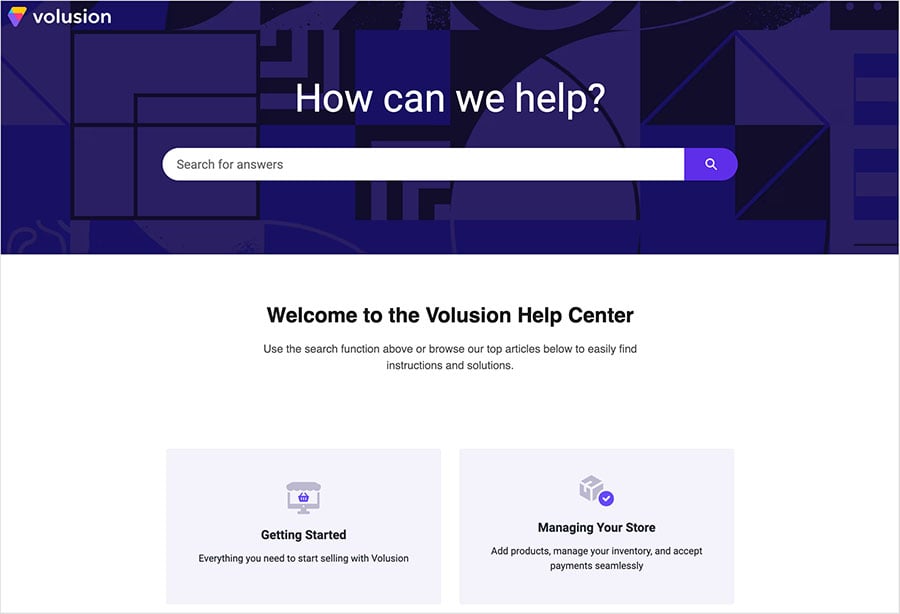
However, because there are two distinct versions of Volusion currently in circulation — V1 and V2 — it’s easy to end up on the wrong help site, accessing the wrong materials, and getting quite confused.
Volusion vs Shopify: conclusion
Overall, Shopify is the hands-down winner in a Volusion vs Shopify shootout. There are many reasons for this, but if I had to highlight a few key ones I’d mention the following: Shopify provides a wider range of templates, comes with a sophisticated point of sale system, facilitates multi-currency selling and has blogging functionality included. It’s also considerably easier to use.
The vast disparity in the size of userbases is also something to think about: personally I’d feel nervous about building a store on a platform like Volusion which, if Builtwith’s statistics are correct, has just 5,230 users.
The only area where I feel Volusion outperforms Shopify in a significant way is where product options / variants are concerned — there’s no hard limit to worry about, whereas Shopify currently limits options to 3 and variants to 100 (limits which can be removed via an app).
But in general, it’s hard not to conclude that Shopify is the much stronger and better value platform.
To sum up, here are the key reasons why you might use one of these platforms over the other:
Reasons I would use Shopify over Volusion
- Unlike Volusion, which caps the number of products you can sell on lower-tier plans, Shopify allows unlimited products on all plans.
- Shopify makes it easy to sell digital downloads and subscriptions with larger file upload and better download controls than Volusion.
There are more themes to choose from with Shopify, and many of its paid-for themes are cheaper than the Volusion equivalents.
You can sell in multiple currencies with Shopify.
Blogging functionality is built in — this is not the case in Volusion.
A much wider selection of payment gateways is available in Shopify.
Built-in email marketing is included.
- A significantly wider selection of apps is available for Shopify.
Comprehensive point-of-sale functionality is available on Shopify — but not on Volusion.
- Shopify’s dropshipping capabilities are much stronger.
- SEO features are stronger in Shopify.
Abandoned cart functionality is available on the $39 Shopify plan; you’ll need to be on a $79+ plan to avail of this important feature with Volusion.
There are no sales limits on any Shopify plans.
Shopify has a much larger userbase — which makes it a safer bet for your business (i.e., Shopify is much less likely to go bust, taking your store with it).
Reasons to use Volusion over Shopify
Transaction fees are cheaper when using a third party payment processor.
There are no product option or variant limits to worry about.
I hope you’ve found our Shopify vs Volusion comparison helpful! If you’ve used either Shopify or Volusion (or both!) in the past, I’d love to hear your thoughts on both — feel free to add your add comments or questions below. We read all comments and do our best to reply to any queries you may have.
Alternatives to Volusion and Shopify
For me the obvious alternative to either Volusion or Shopify is BigCommerce — it’s got a similar feature set to Shopify, and it some of its features are stronger (for example, its multi-currency selling functionality and its abandoned cart recovery tool). You can check out our BigCommerce review here.
Squarespace is definitely also worth a look — it’s not quite as good as Shopify in the ecommerce department but its interface is really great, and its website building features are stronger. Check out our Squarespace review, our Squarespace pricing guide, our Squarespace trial guide or our Shopify vs Squarespace comparison for more information on the platform.
For a competitively priced option, there’s Wix. While not yet as sophisticated from an ecommerce point of view as Shopify, it’s a good all-rounder that gives you a lot of bang for your buck. You can learn more about Wix here or read our Wix vs Shopify comparison here.
For ultimate flexibility in terms of design and flexibility, look at self-hosted WordPress. This can be harder than some solutions to configure, but gives you a lot of control over how your site looks and how your ecommerce setup functions. Check out our WordPress vs Shopify our and Wix vs WordPress posts for more details on how it stacks up against popular hosted website builders.
Many WordPress users opt for the WooCommerce ecommerce plugin to add selling functionality to their WordPress websites — you can learn more about this in our detailed WooCommerce vs Shopify comparison.
Other solutions you might wish to investigate include Big Cartel, Jimdo, Magento, WooCommerce and Ecwid (the latter two being good options for WordPress users in particular).
And finally, there’s always existing online marketplaces like Etsy and Amazon. Selling on these platforms is quite different from using a site builder like Volusion or Shopify to host an online store; but thanks to their massive customer bases, it can be a very lucrative option (when done correctly). Check out our Shopify vs Etsy shootout, our Shopify vs eBay comparison and our Shopify vs Amazon comparison for more information on this way of selling.
Related resource: our Shopify alternatives guide gives you a full rundown of ecommerce platforms that compete with Shopify and Volusion.
How we tested these products
We tested these products out via independent research and, more importantly, hands-on experience of them.
We regularly help clients build online stores, and have extensive knowledge of how both the Shopify and Volusion platforms work. So this comparison is based on building Shopify and Volusion stores from scratch; editing existing ones; and using a wide variety of apps to configure them.
To find out more about the criteria we typically use when testing ecommerce products, you might like to check out our ecommerce platforms buyer’s guide — this contains a list of the factors we typically look at when evaluating online store builders.

Comments (35)